In Magnolia, TX, your roof deals with just about everything Texas weather can throw at it: heavy rain, strong winds, intense heat, and the occasional storm that shows up uninvited. Most homeowners don’t think much about their roof until something goes wrong. But by then, the damage is already done.
That’s why a roof inspection matters. A proper home roof inspection helps you catch small issues early, avoid costly repairs, and protect what matters most, your home and your family.
At Candor Roofing Solutions, we believe you deserve to know exactly what’s happening on your roof, no guesswork, no surprises.
Key Takeaways
- A roof inspection checks both the exterior and interior of your roofing system.
- A home roof inspection can catch hidden damage before it turns into costly repairs.
- Regular inspections help extend the life of your roof and protect your investment.
If you want peace of mind heading into storm season, schedule your free inspection with a team that puts honesty first.
How A Roof Inspection Works For Magnolia Homes
A roof inspection is a full evaluation of your roofing system. It’s not just a quick look from the ground. It’s a step-by-step process that checks every part of your roof, from shingles to decking to attic ventilation.
In Magnolia, this matters more than most homeowners realize. Between heavy rain, humidity, and sudden storms, roofs here take on more stress than in milder climates. Small issues can turn into bigger problems faster if they go unnoticed.
Exterior Surface Check: Where Problems Usually Start
The first step in a home roof inspection is evaluating the surface of your roof. This includes looking closely at:
- Shingle condition and wear
- Cracking, curling, or blistering
- Granule loss from sun exposure
- Signs of wind lift or storm damage
Even if your roof looks fine from the driveway, these small issues can weaken your roof’s ability to shed water over time.
Flashing And Penetrations: The Most Common Leak Points
Next, we focus on areas where your roof is most vulnerable, around penetrations and transitions.
- Flashing around vents, chimneys, and skylights
- Seals around pipe jacks and roof openings
- Valleys where two roof slopes meet
These areas are where water tends to sneak in first. When flashing fails, leaks often start slowly and go unnoticed until damage builds up.
Drainage System: Making Sure Water Has A Path Out
Water management is a big part of any roof inspection, especially in Magnolia, where heavy rainfall is common.
We check:
- Gutters for clogs or damage
- Downspouts for proper flow
- Roof edges for signs of water backup
If water isn’t draining properly, it can work its way under shingles and cause rot along the roofline.
Structural Review: What’s Happening Under The Surface
A strong roof starts with a solid foundation. That’s why we look beyond the surface whenever possible.
- Roof decking condition (when visible or accessible)
- Sagging areas or uneven rooflines
- Signs of long-term moisture exposure
At Candor Roofing Solutions, we take this a step further during roof replacements by removing shingles down to the decking. That way, nothing gets covered up or missed.
Attic Inspection: Where Hidden Problems Show Up
Many roofing issues show up inside before they’re visible outside. That’s why attic checks are part of a proper home roof inspection.
We look for:
- Moisture or water stains
- Mold or mildew growth
- Poor ventilation or trapped heat
- Damaged insulation
These signs often point to deeper issues that need attention before they lead to bigger repairs.
Ventilation Check: Protecting Your Roof From The Inside Out
Ventilation plays a bigger role than most homeowners think. Without proper airflow, heat and moisture build up and wear your roof down faster.
We evaluate:
- Intake and exhaust ventilation balance
- Airflow through the attic space
- Signs of heat damage to roofing materials
Good ventilation helps extend the life of your roof and improves energy efficiency inside your home.
Many roofing issues don’t show up right away. Water can get underneath shingles, flashing can fail slowly, and ventilation problems can build up over time.
That’s why inspections aren’t just about what you can see, they’re about what you can’t.
What Happens During A Professional Roof Inspection
Exterior Roof Evaluation Comes First
The inspection starts with a close look at your roof’s surface. This includes checking for:
- Missing or lifted shingles
- Cracks, blistering, or granule loss
- Damaged flashing or exposed fasteners
- Signs of wind or hail impact
Even small defects matter. Over time, they reduce your roof’s ability to keep water out.
Interior Inspection Reveals Hidden Issues
Next, the inspector checks your attic and interior spaces. This is where many hidden problems show up.
Common findings include:
- Water stains or leaks
- Mold or mildew
- Poor ventilation or trapped heat
- Damaged insulation
These issues often develop before you ever see a ceiling stain.
Drainage And Structural Checks
A proper home roof inspection also looks at how water moves off your roof.
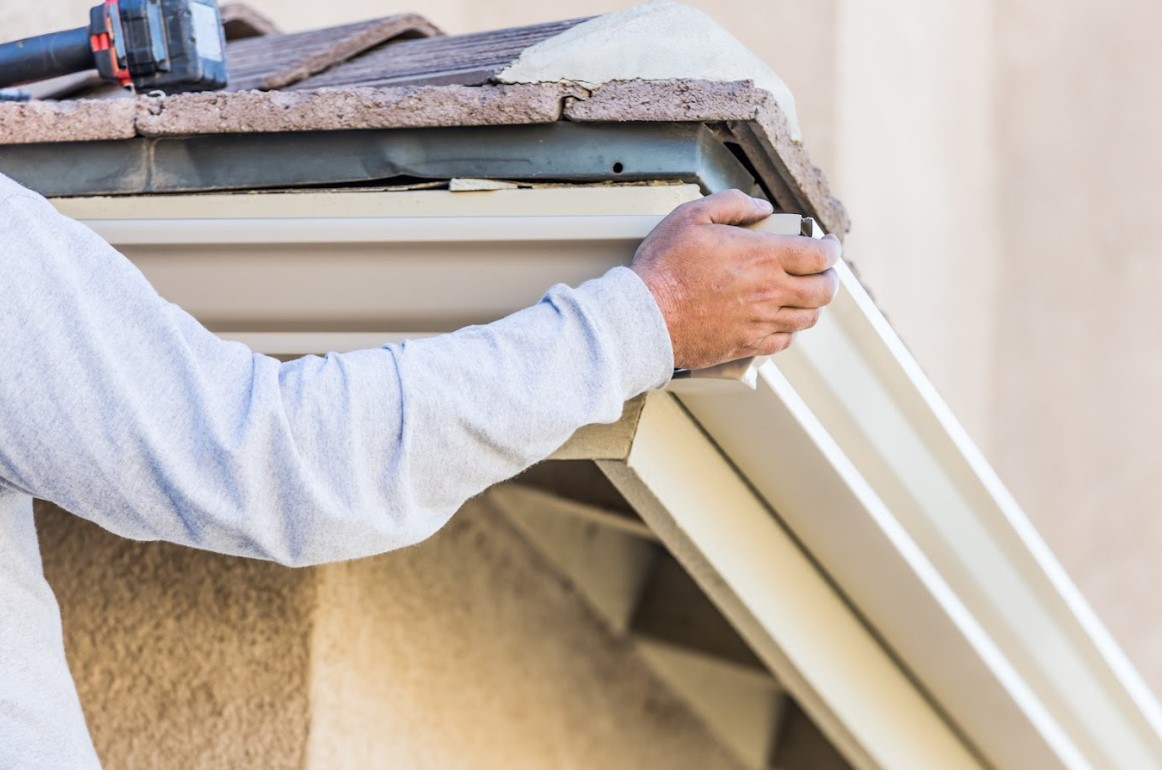
- Gutters are checked for clogs or damage
- Downspouts are inspected for proper flow
- Roof edges and fascia are examined for rot
If water isn’t moving away from your home properly, it will find a way inside.
When Magnolia Homeowners Should Schedule A Roof Inspection
Knowing when to schedule a roof inspection is just as important as the inspection itself. Timing can make the difference between a simple repair and a major expense.
In Magnolia, where weather patterns can shift quickly, staying proactive helps protect your home and your budget.
After A Storm: Catch Damage Before It Spreads
Storms are one of the biggest reasons to schedule a home roof inspection. High winds, hail, and heavy rain can cause damage that isn’t always visible from the ground.
- Shingles may loosen or lift without falling off
- Hail can create small impact points that weaken the surface
- Flashing can shift, creating hidden entry points for water
Even if everything looks fine, there could be damage underneath. A quick inspection after a storm helps catch issues early before they turn into leaks or structural problems.
Once A Year: Stay Ahead Of Wear And Tear
An annual roof inspection is one of the simplest ways to extend the life of your roof. Over time, heat, humidity, and normal aging wear down materials.
A yearly check helps:
- Identify small issues before they get worse
- Keep your roof performing the way it should
- Maintain proper drainage and ventilation
Think of it like routine maintenance. You’re not waiting for something to go wrong, you’re making sure it doesn’t.
Before Buying Or Selling A Home: Avoid Surprises
A home roof inspection is essential during any real estate transaction. Whether you’re buying or selling, knowing the condition of the roof upfront prevents unexpected problems later.
For buyers:
- You’ll know if repairs are needed before closing
- You avoid taking on hidden damage
For sellers:
- You can fix issues before they affect negotiations
- You show buyers the home has been well cared for
It’s one of the easiest ways to keep the process smooth and avoid last-minute setbacks.
If You Notice Signs Of Damage: Don’t Wait
Sometimes your home gives you clear signs that something isn’t right. When that happens, it’s time to schedule a roof inspection right away.
Watch for:
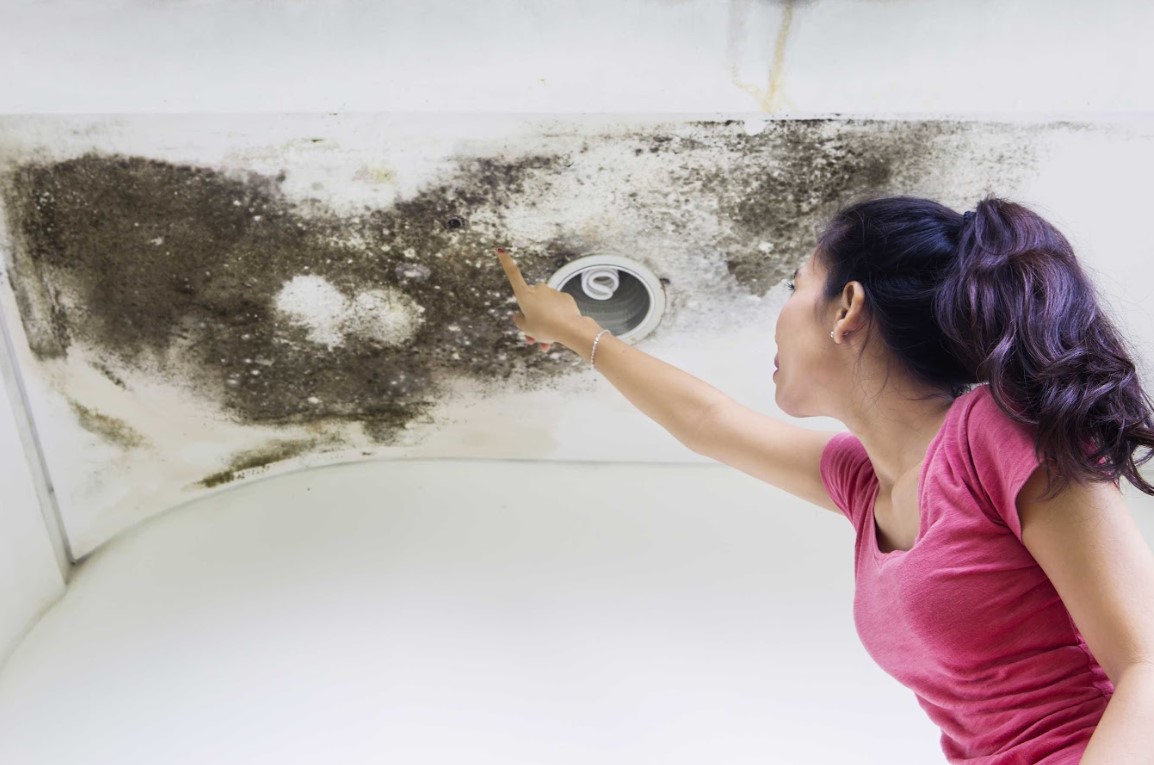
- Water stains on ceilings or walls
- Drips or leaks during rain
- Musty smells in the attic
- Higher energy bills from poor ventilation
These issues rarely fix themselves. Acting quickly helps limit damage and keeps repair costs under control.
Common Issues Found During A Home Roof Inspection
During a home roof inspection, certain problems show up more often than others, especially in Magnolia.
Flashing Failures
Flashing protects the most vulnerable areas of your roof. When it fails, water gets in.
Ventilation Problems
Poor airflow traps heat and moisture. This can shorten your roof’s lifespan and increase energy costs.
Shingle Damage
Wind, heat, and age all take a toll. Even small cracks or lifting can lead to bigger problems.
Gutter And Drainage Issues
Clogged or damaged gutters cause water to back up under your roof’s edge.
Hidden Leaks
Not all leaks drip right away. Many start inside your attic or under your shingles.
Catching these early can save thousands in repairs.
The Candor Difference: What Our Roof Inspections Include
Not all inspections are the same. At Candor Roofing Solutions, we don’t rush through the process; we take the time to do it right. We go the extra mile using The Catch-All System on our job sites to protect your property.
Inspection & Prep
We start with a full evaluation of your roof and attic. If a replacement is needed later, we remove roofing down to the decking, no shortcuts.
What We Check:
- Shingles, flashing, and ventilation
- Decking condition (if visible or exposed)
- Gutters and drainage systems
- Attic airflow and moisture
Safety Checks
We also check attic areas for potential risks like water or gas lines near the decking. It’s part of doing the job responsibly. We never take any shortcuts.
Clear Communication
You’ll get a straightforward explanation of what we found, what matters now, and what can wait.
No pressure. No confusion. Just honest guidance.
Why A Professional Roof Inspection Matters
You can spot some issues from the ground, but many roofing problems require a trained eye.
Here’s why hiring a professional matters:
- Experience: We know where to look and what to look for
- Safety: Climbing on a roof can be dangerous
- Accuracy: Small issues are easier to catch early
- Cost Savings: Preventing damage is always cheaper than fixing it
A professional roof inspection gives you answers, not guesses.
What A Roof Inspection Does Not Do
It’s important to understand what a home roof inspection is, and what it isn’t.
- It does not guarantee how long your roof will last
- It does not certify your roof for insurance or resale
- It does not replace the need for maintenance
Instead, it gives you a clear snapshot of your roof’s current condition so you can make informed decisions.
Signs You Should Not Ignore Before Your Next Inspection
Sometimes your roof gives you clear warning signs before major problems show up. The key is knowing what to look for and acting before those issues get worse.
If you notice any of the following, it’s time to schedule a roof inspection right away.
Water Stains On Ceilings Or Walls: A Sign Of Active Leaks
Water stains are one of the most common indicators that something is wrong. Even a small discoloration can point to a bigger issue above.
- Yellow or brown spots on ceilings
- Streaks running down walls
- Peeling paint or bubbling drywall
These signs usually mean water has already made its way inside. A home roof inspection can help trace the source before more damage spreads.
Missing Or Curling Shingles: Your Roof’s First Line Of Defense Is Failing
Shingles are designed to protect your home from the elements. When they start to fail, your roof becomes vulnerable.
- Missing shingles expose the layer underneath
- Curling edges signal aging or heat damage
- Cracked shingles allow water to seep in
Even a few damaged shingles can lead to leaks during the next storm.
Sagging Rooflines: A Structural Concern You Shouldn’t Ignore
Your roof should have a straight, even appearance. If you notice sagging or uneven areas, it could indicate a deeper issue.
- Weak or damaged decking
- Long-term moisture exposure
- Structural stress from trapped water
This is not a cosmetic problem; it’s a sign your roof may need immediate attention.
Musty Attic Smell: Moisture Is Building Up
A musty smell in your attic is often a sign of trapped moisture. This can come from leaks, poor ventilation, or both.
- Mold or mildew growth
- Damp insulation
- Reduced airflow in the attic
Left unchecked, this can affect both your roof and your indoor air quality.
Granules In Gutters: Your Shingles Are Wearing Down
If you notice sand-like material in your gutters, those are shingle granules. They protect your roof from sun damage.
- Excess granules mean shingles are aging
- Bare spots reduce weather resistance
- Faster deterioration in the Texas heat
This is often one of the earliest signs your roof is nearing the end of its lifespan.
What Homeowners Gain From Regular Roof Inspections
A consistent inspection schedule gives you more than just peace of mind.
- Longer Roof Lifespan: Catch issues early
- Lower Repair Costs: Small fixes stay small
- Better Energy Efficiency: Proper ventilation matters
- Stronger Storm Protection: Stay ready for Texas weather
It’s one of the simplest ways to protect your home.