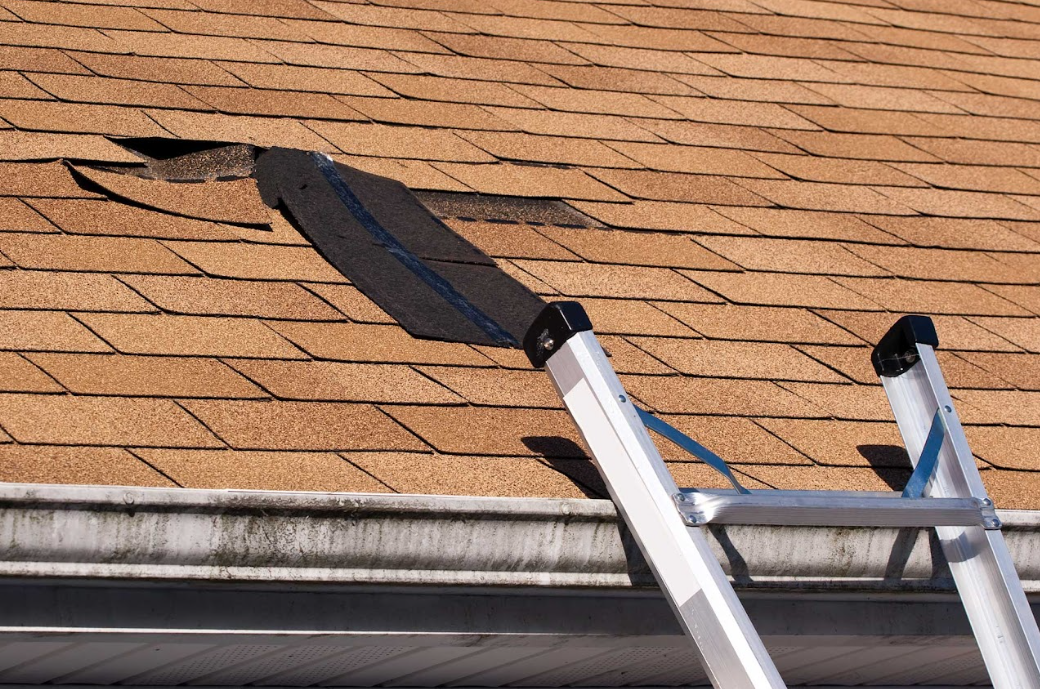
In Texas, a roof can look perfectly fine from the street until the air turns sticky and storms start stacking up. That’s when small, easy-to-miss weak spots begin to affect your roof’s lifespan in ways most homeowners don’t see coming.
Here’s the straightforward answer: humidity and heavy rain rarely destroy a roof overnight, but they quietly shorten its life by keeping materials damp, stressing ventilation, and giving water more time to travel. At Candor Roofing Solutions, we help homeowners understand what’s happening above their ceiling so problems are handled early, before repairs get expensive.
Key Takeaways
- Moisture lingers longer than you think: High humidity can keep roof layers damp, accelerating roof lifespan wear over time.
- Heavy rain exposes hidden weak points: Rain damage roof issues often begin around flashing, vents, valleys, and clogged drainage paths.
- A roofing inspection makes the difference: Regular inspections catch humidity roof damage early, before it reaches insulation or ceilings.
If you want clear answers and a calm plan forward, Candor Roofing Solutions offers free inspections to help you understand your roof’s condition without pressure.
Breaking Down Roof Lifespan: How Humidity and Rain Wear a Roof Down
Roof lifespan isn’t just about age. It’s the number of years your roof can reliably protect your home before roof repairs become frequent, or replacement becomes the smarter option. In Texas, moisture patterns play a bigger role than most homeowners realize.
Humidity affects roof lifespan by slowing the drying process. When warm, damp air hangs around, moisture levels inside the attic and roofing layers rise. Over time, this leads to humidity roof damage, such as softened underlayment, swollen decking edges, and condensation that can look just like a leak.
Heavy rain adds pressure in a different way. Texas storms don’t just fall straight down; wind drives rain sideways, pushing water into seams, penetrations, and transitions. Chimneys, skylights, pipe boots, and wall flashing are common starting points for rain damage roof problems. The result may not show up right away, but weeks later as ceiling stains, damp insulation, or musty odors.
The real risk is compounding moisture. When a roof stays wet longer, materials age faster, sealants fail sooner, and small openings turn into repeat trouble spots. That slow, persistent moisture damage roof pattern is one of the biggest threats to long-term roof lifespan if it’s ignored.
If you’re unsure whether moisture is affecting your roof, a professional roofing inspection can bring clarity before damage spreads.
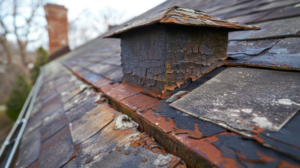
What Moisture Damage Roof Problems Look Like Up Close
When Humidity Turns Into Humidity Roof Damage
High humidity can cause condensation on the underside of the roof deck, especially when warm indoor air escapes into the attic. Over time, that moisture weakens wood, reduces insulation performance, and encourages mold. The EPA is clear that controlling moisture is critical to preventing long-term damage.
Why Rain Damage Roof Issues Start at Transitions
Roofs rarely fail in wide, open sections. They fail where materials meet or change direction. Flashing, vents, skylights, and seams take the most abuse during heavy rain. When water is driven sideways, even small gaps can allow moisture to enter and travel.
How Drainage Problems Shorten Roof Lifespan
If water can’t leave the roof efficiently, it stays longer than it should. That extra time means more swelling, more movement, and more stress on sealants and fasteners. Poor drainage is a major contributor to reduced roof lifespan in Texas homes.
Why “Minor” Moisture Often Becomes Major
Moisture doesn’t stay put. A small opening can allow water to spread across insulation and decking, making the damage feel larger than the original issue. That’s why moisture damage roof problems often surprise homeowners.
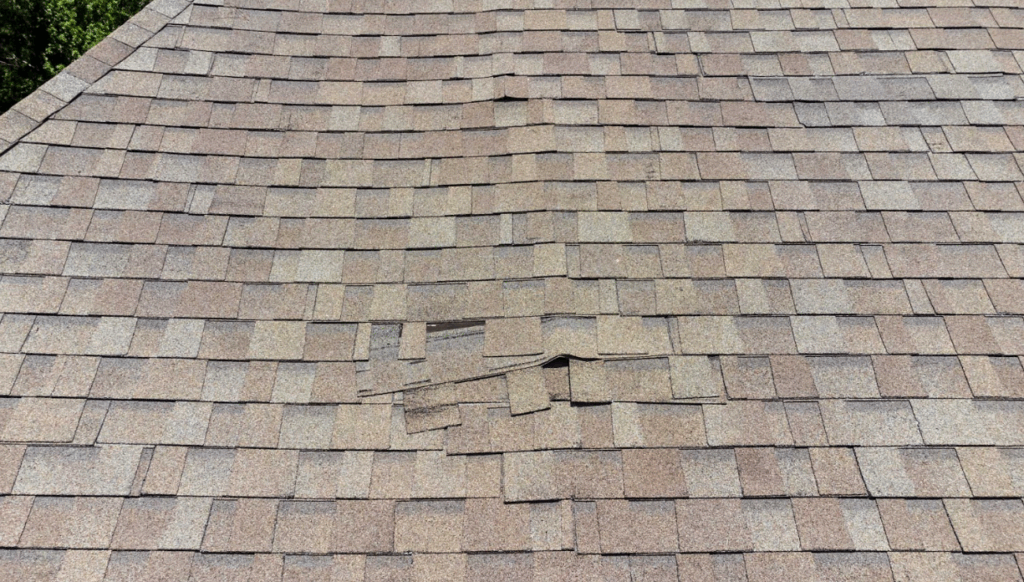
What Are The Important Factors to Consider Before Protecting Roof Lifespan in Texas?
If your goal is extending roof lifespan, not just fixing symptoms, these areas matter most.
Ventilation and Attic Air Sealing
Trapped humid air keeps creating humidity roof damage, no matter how often the surface is repaired. Inspections should include attic conditions, not just shingles or panels.
Drainage Paths
Gutters, downspouts, and valleys must stay clear. Overflow and pooling accelerate rain damage and roof issues that harm fascia and decking.
Flashing Quality
Most leaks start at joints. Chimneys, skylights, and wall flashing are common failure points that deserve close attention.
Repair vs. Replacement Decisions
Sometimes targeted repairs and moisture control give you a few years. Other times, structural damage means roof replacement is the wiser investment.
Documentation and Warranties
Many warranties require reasonable upkeep. Inspection records help protect your coverage.
Candor Roofing Solutions walks homeowners through these decisions clearly during every inspection, no surprises, no pressure.
How to Extend Roof Lifespan During Texas Wet Seasons
Texas humidity and heavy rain are predictable, which means your maintenance plan can be too.
Start With A Roofing Inspection That Looks Deeper
A proper roofing inspection identifies visible damage and the conditions causing it, ventilation, insulation, moisture, flashing integrity, and drainage.
Clear Drainage Before Storms Stack Up
Leaves and debris create small dams that force water under edges, turning normal runoff into rain damage roof intrusion.
Address Aging, Flashing, and Sealants Early
Sealants don’t last forever under Texas heat. Catching brittle or separating materials early protects the roof’s lifespan and prevents interior repairs.
Distinguish Condensation From Real Leaks
Not all wet spots are rain entry. Humidity roof damage from condensation can drip onto insulation and mimic leaks, requiring a different solution.
Fix Small Openings Immediately
Lifted edges, cracked boots, or loose seams are the starting point for moisture damage roof problems. Quick repairs keep issues contained.
Your Roof Lifespan Game Plan for Humidity and Heavy Rain
Candor Roofing Solutions approaches moisture issues the way we’d want our own homes treated, clearly, thoroughly, and with respect:
- Inspect: Schedule a roofing inspection before and after heavy storm cycles.
- Clear: Keep valleys, gutters, and downspouts flowing freely.
- Seal: Focus on flashing, boots, and transitions where water enters first.
- Vent: Improve airflow and air sealing to prevent humidity roof damage from condensation.
You don’t have to guess. An experienced roofer can explain what’s normal wear and what needs attention now.
Roof Lifespan FAQs
How does humidity affect roof lifespan in Texas?
Humidity affects roof lifespan by slowing drying time and increasing condensation risk, which leads to humidity-related roof damage in decking, underlayment, and attic materials.
Can heavy rain shorten the lifespan even if the shingles look fine?
Yes. Heavy rain shortens roof lifespan when rain damage roof issues start at flashing, vents, and seams that aren’t obvious from the ground.
What are the first signs of moisture damage roof problems?
Early signs include ceiling stains, musty odors, damp insulation, and recurring leaks in the same area after storms.
How often should I schedule a roofing inspection to protect my roof’s lifespan?
A roofing inspection is typically recommended once a year and after major storms, especially if you’ve experienced rain damage or roof concerns.
Is humidity roof damage always a roof leak?
No. Humidity roof damage is often caused by ventilation or air-sealing issues, but it can still shorten the roof’s lifespan if left unaddressed.
What repairs help most with rain damage roof risks?
Flashing corrections, penetration resealing, and drainage improvements usually do more to protect roof lifespan than replacing surface materials alone.
Protect Roof Lifespan Before Moisture Becomes a Bigger Problem
Texas weather is tough on roofs, but the right plan makes a real difference. When humidity, roof damage, and rain damage issues are addressed early, you protect your home, your budget, and your roof’s lifespan.
Candor Roofing Solutions serves homeowners throughout the Brazos Valley with clear recommendations, photo-documented roofing inspection results, and repairs built to handle Texas storms.
Schedule your free inspection today and get honest answers you can trust.