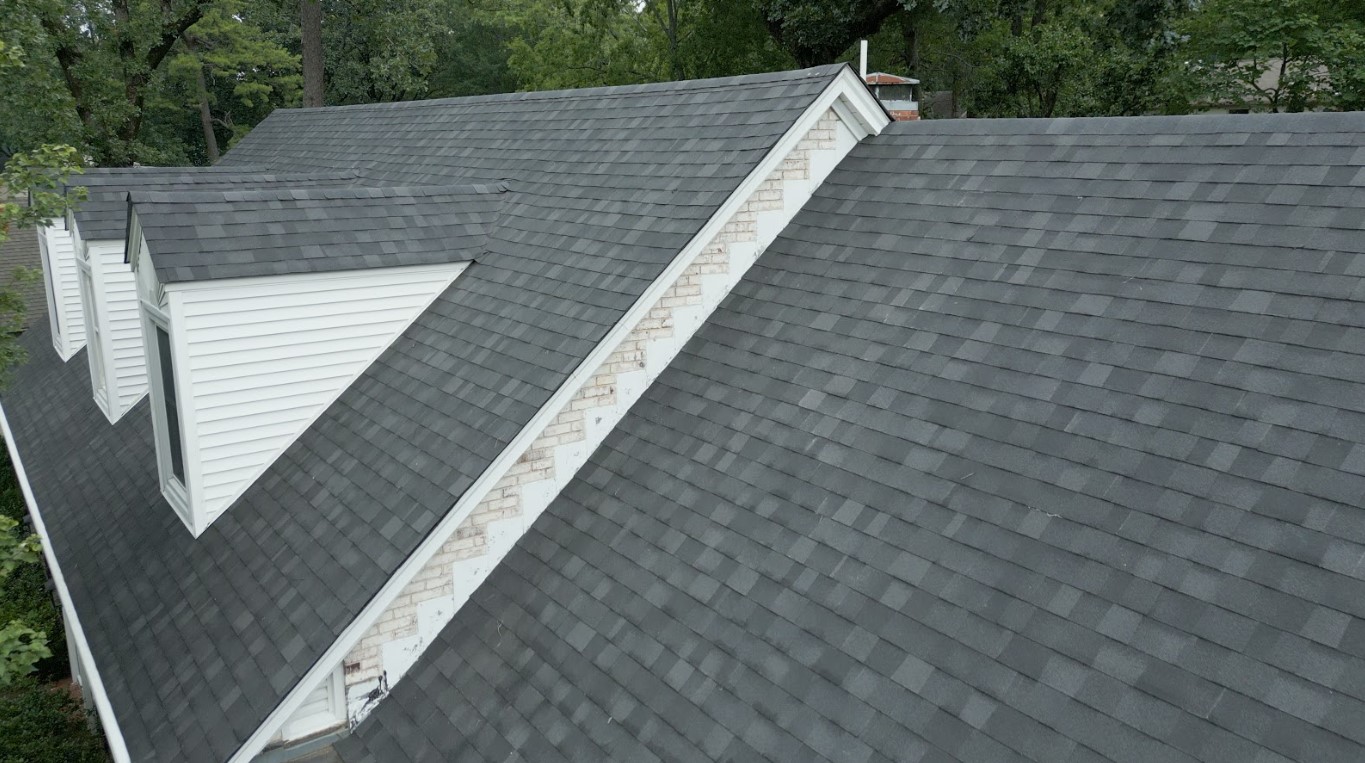
When a storm rolls through Anderson, TX, you can hear the wind before you ever see the damage. That’s when homeowners start asking the same question, will my roof hold up?
That’s where wind-rated roofing comes in. The right system improves roof wind resistance, helping protect your home from shingle loss, leaks, and costly repairs.
At Candor Roofing Solutions, we help Anderson homeowners understand what their roof can handle and how to strengthen it before the next storm hits.
Key Takeaways
- Wind-rated roofing helps prevent blow-offs and storm-related damage.
- Roof wind resistance depends on both materials and installation quality.
- Regular inspections help catch weak spots before storms expose them.
If you’re unsure about your roof’s condition, our team is here to help with honest guidance and no surprises.
How Wind-Rated Roofing Works For Anderson Homes
Wind-rated roofing refers to materials tested to withstand specific wind speeds. These ratings come from industry standards that measure how well roofing systems resist uplift and damage during storms.
In Anderson, that matters. Texas storms bring strong gusts that don’t just push against your roof; they try to lift it. This “uplift” force targets edges, corners, and weak attachment points.
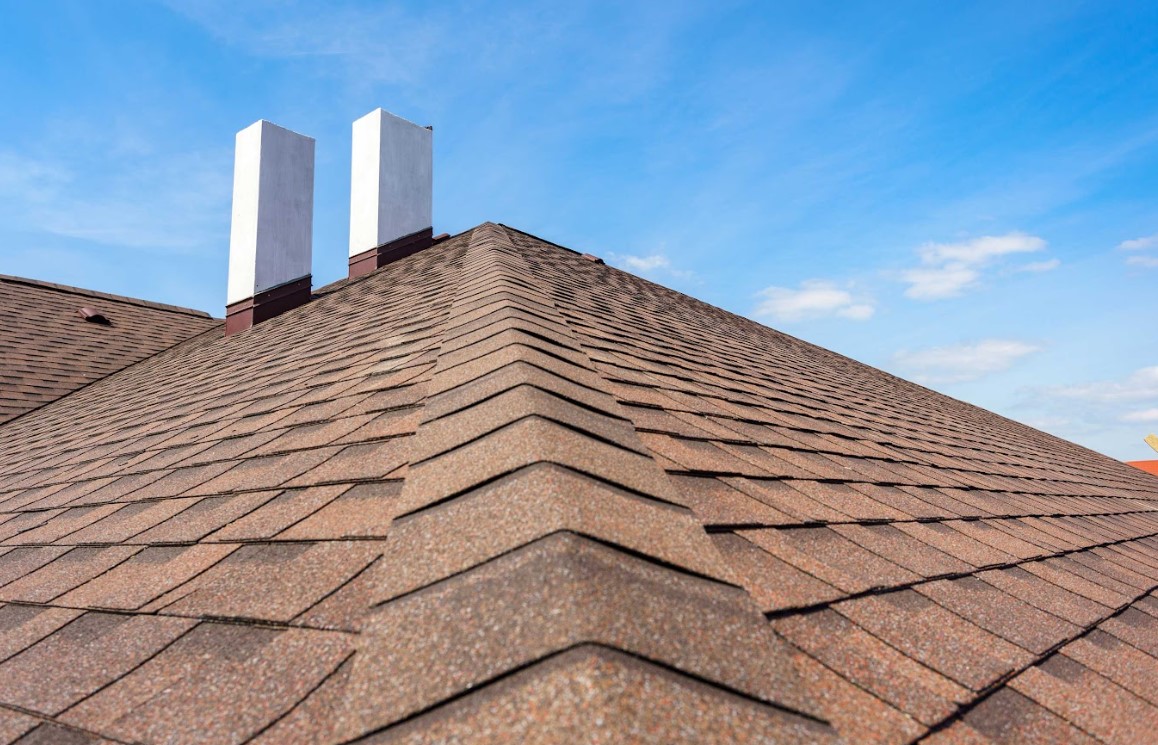
That’s where roof wind resistance plays a critical role. A strong system includes not just shingles, but also underlayment, flashing, and secure fastening. If one part fails, the rest can follow.
Most modern roofing systems are rated between 90 and 130 mph, depending on the material and installation. But older roofs or poorly installed systems may fail at much lower speeds.
The takeaway is simple: your roof’s rating and how it was installed determine how well it protects your home.
What Impacts Roof Wind Resistance The Most
Installation Quality Makes Or Breaks Performance
Even the best materials won’t perform without proper installation. Fastener placement, sealing, and edge protection all affect roof wind resistance.
Roof Edges And Corners Take The Most Damage
Wind pressure is strongest at the perimeter. These areas are the most common failure points during storms.
Material Choice Changes Your Protection Level
- Architectural shingles: Stronger than basic shingles, often rated for higher winds
- Metal roofing: Excellent wind performance and durability
- Standard shingles: More vulnerable if not properly installed
Age Reduces Wind Resistance Over Time
As roofs age, materials weaken. Adhesives fail, shingles loosen, and flashing can shift. That lowers overall performance.
Important Factors To Consider Before Choosing Wind-Rated Roofing
Before investing in wind-rated roofing, consider these key factors:
- Storm Exposure: Open areas around Anderson often see stronger wind impact
- Roof Age: Older roofs are more vulnerable, even if they were once rated well
- Material Type: Some systems offer better long-term roof wind resistance
- Installation Quality: Certified installation protects performance and warranties
- Budget: Balance upfront cost with long-term durability and fewer roof repairs
The goal isn’t to overspend, it’s to choose a system that protects your home when it matters most.
A Simple Guide To Improving Roof Wind Resistance
1. Start With A Professional Inspection
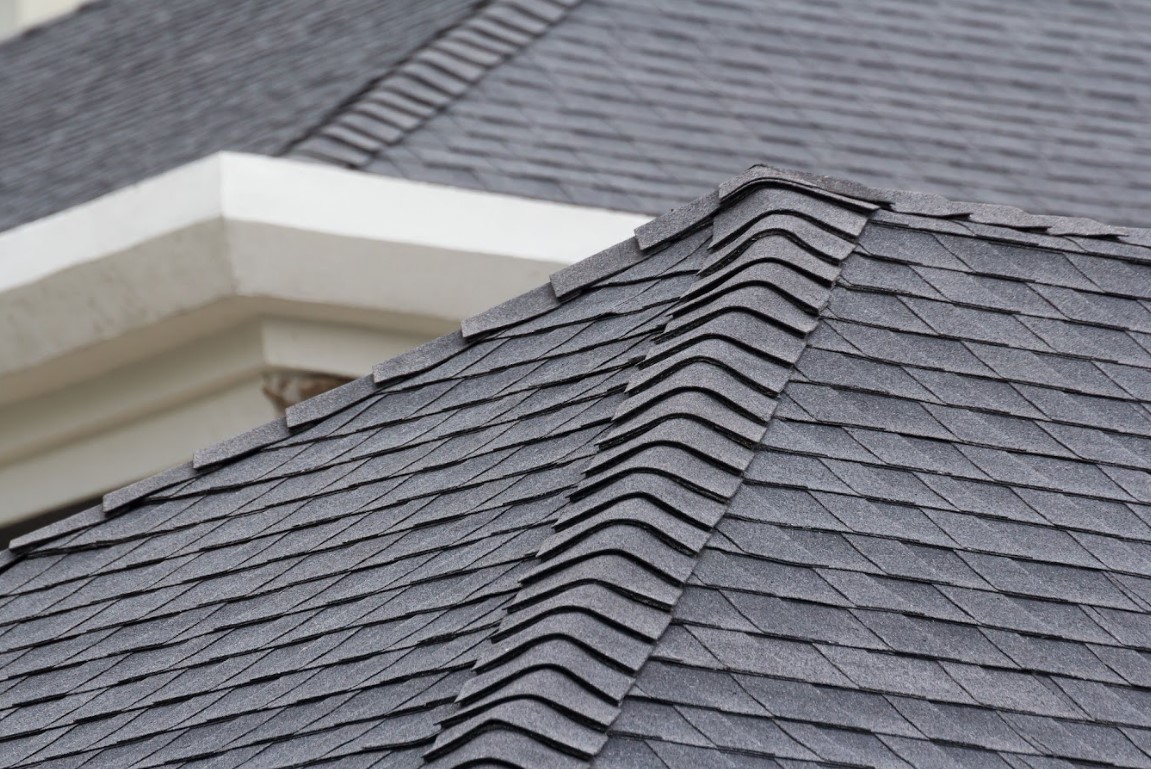
A detailed inspection identifies weak spots like loose shingles, damaged flashing, or poor sealing.
2. Repair Or Reinforce Where Needed
Small repairs can restore performance if your roof still has life left.
3. Upgrade Materials If Necessary
If your roof is aging, upgrading to wind-rated roofing improves long-term protection.
4. Choose The Right Contractor
Proper installation is just as important as the material itself. Certified craftsmanship ensures everything works as a system.
5. Maintain Your Roof Regularly
Routine inspections help preserve roof wind resistance and catch issues early.
Protect your home today with a team that values honesty, quality, and doing the job right.
Built For Texas Winds: What Really Matters
If you live in Anderson, wind-rated roofing isn’t optional; it’s practical protection.
- Stronger materials resist uplift and damage
- Proper installation keeps the system intact
- Routine inspections maintain long-term performance
With The Candor Guarantee, you get roofing built on integrity, certified craftsmanship, and lasting protection.