When most Bryan homeowners think about their roof, they picture shingles. But the real protection comes from what’s underneath. Your roof layers and roof structure work together to keep water out, manage heat, and protect your home year-round.
In Brazos Valley weather, hot summers, heavy rain, and strong storms, those hidden layers matter just as much as what you see from the curb. If even one layer fails, problems can spread fast.
This guide breaks down what’s actually under your roof, how each layer functions, and why understanding your roof structure can help you avoid leaks, repairs, and premature replacement. Candor Roofing Solutions helps Bryan homeowners make sense of these details every day.
Key Takeaways
- Roof layers work as a system, not individual parts, and failures often start below the shingles.
- Your roof structure supports everything above it, and hidden damage can shorten roof life.
- A professional inspection reveals what you can’t see, helping you plan repairs wisely.
If you want clarity without pressure, start with a free inspection from Candor Roofing Solutions.
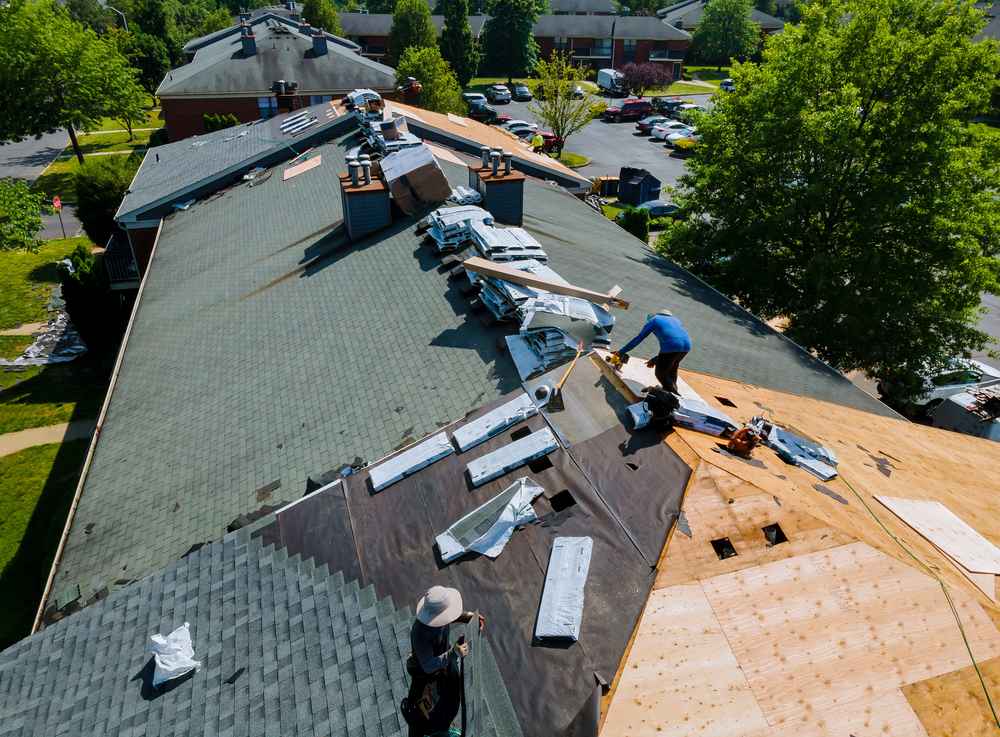
Breaking Down Roof Layers for Bryan, TX Homes
A roof isn’t just a surface; it’s a layered system designed to manage water, heat, and structural stress. Each layer has a specific job, and when one fails, the others are affected.
In Bryan, TX, roof layers face constant heat, UV exposure, humidity, and wind-driven rain. That combination makes proper layering essential. Skipping or shortcutting any layer can lead to leaks, trapped moisture, or damage to the roof structure below.
Most roofing problems don’t start with dramatic shingle blow-offs. They start quietly, water slipping past flashing, underlayment breaking down, or ventilation failing to move moisture out. Over time, those issues reach the roof structure, where repairs become more costly.
Understanding roof layers helps homeowners see why repairs sometimes cost more than expected, and why replacing just shingles doesn’t always solve the problem. A complete roofing system protects your home by directing water away, allowing materials to dry, and keeping structural components sound.
How the Roof Structure Supports Everything Above It
The roof structure is the foundation of the entire system. It includes rafters or trusses, roof decking, and supporting beams that give the roof its shape and strength.
In Bryan homes, the roof structure must handle:
- Constant heat expansion and contraction
- Heavy rain loads during storms
- Wind pressure from severe weather
If moisture reaches the roof structure, often through failed roof layers, it can cause rot, sagging, or weakened decking. These issues aren’t always visible from inside the home until damage is advanced.
That’s why inspections focus not just on shingles, but on how well roof layers are protecting the roof structure underneath.
Important Factors to Consider Before Evaluating Roof Layers
Before deciding on repairs or replacement, it helps to understand how roof layers and roof structure interact in real-world conditions.
- Age of the system: Older roofs may have worn underlayment or outdated flashing, even if shingles look fine.
- Ventilation performance: Poor airflow traps heat and moisture, accelerating breakdown of roof layers.
- Drainage details: Valleys, drip edge, and gutters control where water goes, and failures here affect the roof structure quickly.
- Past repairs: Patchwork fixes may hide deeper issues in lower roof layers.
- Local weather exposure: Bryan’s storms and heat demand materials designed for this climate.
A professional inspection ties these factors together so you’re not guessing.
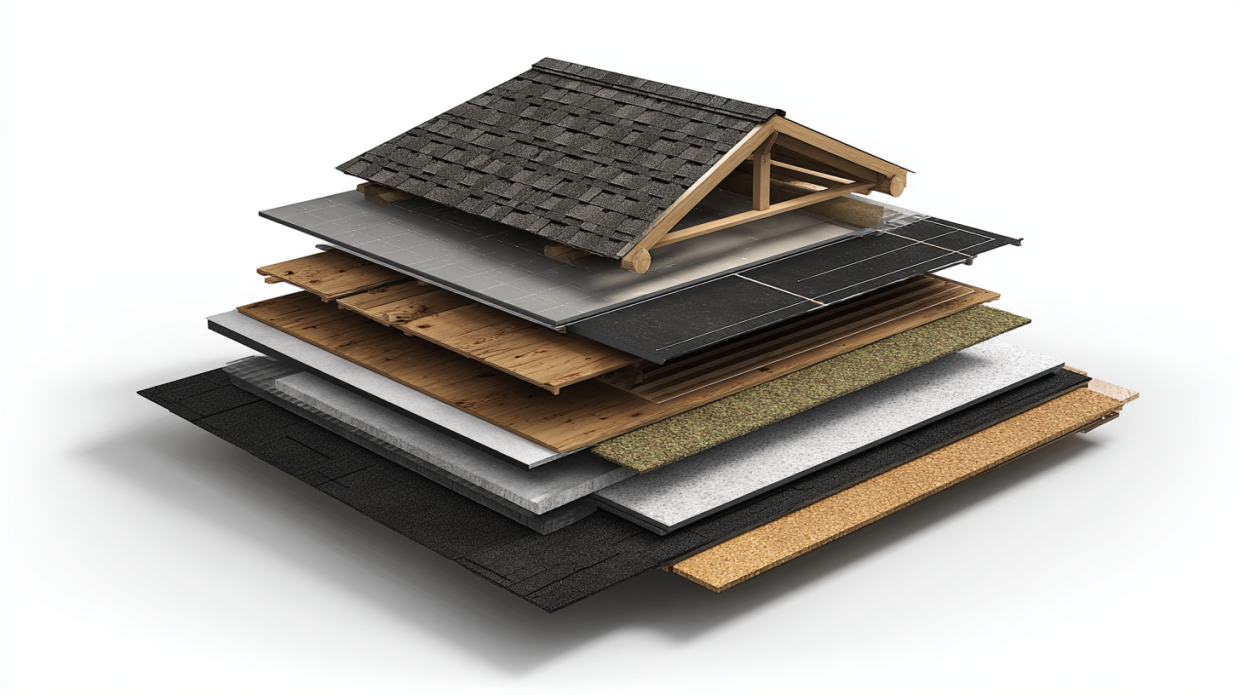
What’s Included in a Complete Roofing System
Roof Decking Forms the Base
The roof deck attaches to the roof structure and supports all other roof layers. If decking becomes soft or warped from moisture, shingles alone won’t fix the problem.
Underlayment Provides Secondary Protection
Underlayment sits between shingles and decking. It acts as a water barrier when wind-driven rain gets past the surface.
Flashing Seals Vulnerable Areas
Flashing protects transitions, chimneys, vents, skylights, and walls. These areas are the most common leak sources in Bryan homes.
Ventilation Manages Heat and Moisture
Balanced intake and exhaust ventilation allows roof layers to dry properly and reduces stress on the roof structure.
Shingles Are the First Line of Defense
Shingles protect against direct weather exposure, but they rely on all underlying roof layers to function correctly.
How Roof Layers Handle Storms in Bryan, TX
During heavy rain and wind, water doesn’t just fall straight down. It’s pushed sideways, forced uphill, and driven into seams. Roof layers control that movement.
When underlayment is intact and flashing is installed correctly, water is redirected safely. When those layers fail, moisture can reach the roof structure in a single storm.
That’s why post-storm inspections are critical, even if shingles appear undamaged.
Common Roofing System Mistakes Homeowners Make
- Assuming leaks always mean shingle failure
- Delaying repairs when stains disappear after drying
- Ignoring ventilation issues that affect the roof layers
- Replacing surface materials without checking the roof structure
- These mistakes often lead to repeated repairs instead of long-term solutions.
Signs Your Roof Layers May Be Reaching Their Limits
- Recurring leaks in the same area
- Sagging rooflines or soft spots
- Musty attic odors or damp insulation
- Granules in gutters combined with interior stains
- These signs often point to issues below the surface.